ЗВЕРНЕННЯ ЄПИСКОПАТУ
УКРАЇНСЬКОЇ ПРАВОСЛАВНОЇ ЦЕРКВИ КАНАДИ
З НАГОДИ 92-Ї РІЧНИЦІ ГОЛОДОМОРУ В УКРАЇНІ
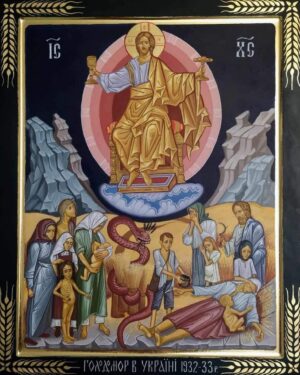
Усі люди стогнуть у пошуках хліба, – усі свої коштовності віддають за їжу, аби лише зберегти життя. Господи, зглянься, – подивися, який я принижений! (Плач Єремії, 1:11). Ці біблійні слова звучать так, ніби їх вирвано зі спогадів наших предків. Рядки з Плачу пророка Єремії болісно відлунюють у пам’яті про Голодомор.
Возлюблені у Христі брати і сестри!
У ці дні скорботної пам’яті, коли Український народ пригадує жахливу рану Голодомору, Українська Православна Церква Канади підносить свій голос молитви та співчуття.
Голодомор 1932–1933 років – це незагоєна рана та трагічний приклад того, як упередження, ненависть і прагнення тотального контролю над цілим народом можуть призвести до зловживання владою, масового гноблення та геноциду.
Український термін «Голодомор» особливо підкреслює штучний, спланований характер цього голоду – диявольський задум сталінського режиму, що мав на меті свідоме винищення людей, які у своїй більшості були православними християнами. Цей злочин вразив тих, кого Господь сподобив трудитися на землі, даруючи плоди своїх рук для життя інших. Парадоксально, але цей смертельний голод розгортався у час, коли люди мирно збирали урожай на землях, що називали “житницею Європи”. Поки українці масово вмирали від голоду, радянський режим вивозив їхній хліб за кордон демонструючи світові свої “успіхи”.
Проте злочин не завершився фізичним винищенням. Після спустошення тіл почалося нищення правди й пам’яті – замах на сам голос народу. Було задіяно колосальні ресурси, аби приховати трагедію, переконати міжнародну спільноту «не бачити» масового вбивства українців. Однак, навіть у пітьмі брехні знаходилися ті, хто наважувався свідчити правду і доносити її до світу.
Серед тих, хто став на захист правди, була й побожна українська громада Канади. З її ініціативи з’явилися публічні пам’ятні знаки жертвам Голодомору – як акт пам’яті і молитви. А згодом Канада на державному рівні визнала Голодомор геноцидом українського народу, засвідчивши цим свою солідарність із боротьбою за правду та справедливість, немов поклавши свічку на свічник, щоб допомогти просвітити темряву забуття.
Пам’ять про Голодомор – це не лише спомин про минуле, але зустріч із таємницею страждання, віри і Божої присутності навіть у тиші смерті. Бог не співчуває злу і не потурає йому. Зло паразитує в тому сенсі, що воно має своє буття в спотворенні того, що є добрим. Те, що людська ненависть сягнула такої межі, що змогла обернутися на знищення інших, створених «за образом і подобою» Божою, викликає глибоке внутрішнє потрясіння. І ще гострішим це усвідомлення стає сьогодні, коли ми спостерігаємо нові спроби зламати і нищити український народ.
Дорогі у Христі,
Віримо, що жертви невинно знищених не були забуті перед лицем Божим. Страждання, яке пережив український народ, не є знаком Божої відсутності, але місцем, де людська свобода була спотворена злом, а Божа присутність – прихована у вірі, терпінні, молитві й невимовному стогоні сердець. Пам’ять про Голодомор ставить перед нами не лише історичний обов’язок згадувати, але духовний заклик до невпинної молитви.
Зі святими упокой, Христе, – молимо Воскреслого Спасителя дарувати вічний спокій мільйонам праведних, невинно замордованих, що померли в надії на воскресіння. Нехай вони знайдуть у Тобі, Господи, спокій і світло, а пам’ять про них нехай спонукає нас до молитви, милосердя та діл, що утверджують життя, справедливість і любов у цьому світі. Амінь.
З молитвою і співчуттям,
+ Іларіон, Митрополит Української Православної Церкви Канади
+ Андрій, єпископ Торонто і Східної єпархії
APPEAL FROM THE BISHOPS
OF THE UKRAINIAN ORTHODOX CHURCH OF CANADA
ON THE OCCASION OF THE 92ND ANNIVERSARY OF THE FAMINE IN UKRAINE
All people groan in search of bread, giving all their treasures for food, just to save their lives. Lord, look upon me, see how I am humiliated! (Lamentations of Jeremiah, 1:11). These biblical words sound as if they were taken from the memories of our ancestors. The lines from the Lamentations of Jeremiah echo painfully in the memory of the Holodomor.
Beloved brothers and sisters in Christ!
In these days of sorrowful remembrance, as the Ukrainian people recall the terrible wound of the Holodomor, the Ukrainian Orthodox Church of Canada raises its voice in prayer and sympathy.
The Holodomor of 1932-1933 is an unhealed wound and a tragic example of how prejudice, hatred, and the desire for total control over an entire people can lead to abuse of power, mass oppression, and genocide.
The Ukrainian term “Holodomor” particularly emphasizes the artificial, planned nature of this famine – the diabolical plan of Stalin’s regime, which aimed to deliberately exterminate people, most of whom were Orthodox Christians. This crime affected those whom God had blessed to work the land, giving the fruits of their labour for the sustenance of others. Paradoxically, this deadly famine unfolded at a time when people were peacefully harvesting crops on lands known as the “breadbasket of Europe.” While Ukrainians were dying en masse from starvation, the Soviet regime was exporting their bread abroad to demonstrate its “success” to the world.
However, the crime did not end with physical extermination. After the destruction of bodies, the destruction of truth and memory began – an attack on the very voice of the people. Colossal resources were used to hide the tragedy and convince the international community to “turn a blind eye” to the mass murder of Ukrainians. However, even in the darkness of lies, there were those who dared to tell the truth and bring it to the world.
Among those who stood up for the truth was the devout Ukrainian community in Canada. On its initiative, public memorials to the victims of the Holodomor appeared – as an act of remembrance and prayer. Later, Canada recognized the Holodomor as genocide of the Ukrainian people at the state level, thus demonstrating its solidarity with the struggle for truth and justice, as if placing a candle on a candlestick to help illuminate the darkness of oblivion.
The memory of the Holodomor is not only a remembrance of the past, but an encounter with the mystery of suffering, faith, and God’s presence even in the silence of death. God does not sympathize with evil or condone it. Evil is parasitic in the sense that it exists by distorting what is good. The fact that human hatred has reached such a level that it has been able to turn into the destruction of others, created “in the image and likeness” of God, causes deep inner turmoil. And this realization becomes even more acute today, when we see new attempts to break and destroy the Ukrainian people.
Dear ones in Christ,
We believe that the innocent victims who were destroyed have not been forgotten before God. The suffering endured by the Ukrainian people is not a sign of God’s absence, but a place where human freedom was distorted by evil, and God’s presence was hidden in faith, patience, prayer, and the inexpressible groaning of hearts. The memory of the Holodomor presents us not only with a historical duty to remember, but also with a spiritual call to unceasing prayer.
Rest in peace with the saints, Christ – we pray to the Risen Saviour to grant eternal rest to the millions of the righteous, innocently murdered people who died in the hope of the resurrection. May they find peace and light in You, Lord, and may the memory of them inspire us to prayer, mercy and deeds, that affirm life, justice, and love in this world. Amen.
With prayer and sympathy,
+ Ilarion, Metropolitan of the Ukrainian Orthodox Church of Canada
+ Andrew, Bishop of Toronto and the Eastern Eparchy
